
Why Tengah Garden Residences Floorplan Insights Are Essential for Savvy Property Investors
Singapore’s private residential market shows a clear pattern, developments with efficient layouts and lifestyle-driven planning tend to outperform over time. Buyers today study more than price per square foot. They look closely at how space is shaped, used, and future-proofed.
That is why analyzing the Tengah Garden Residences floorplan matters for investors who want more than surface-level returns. Floor plans reveal how a project responds to modern living habits, family sizes, and rental demand. They offer practical signals about liquidity, tenant appeal, and long-term value in a fast-growing estate like Tengah.
Floor Plans as a Business Intelligence Tool
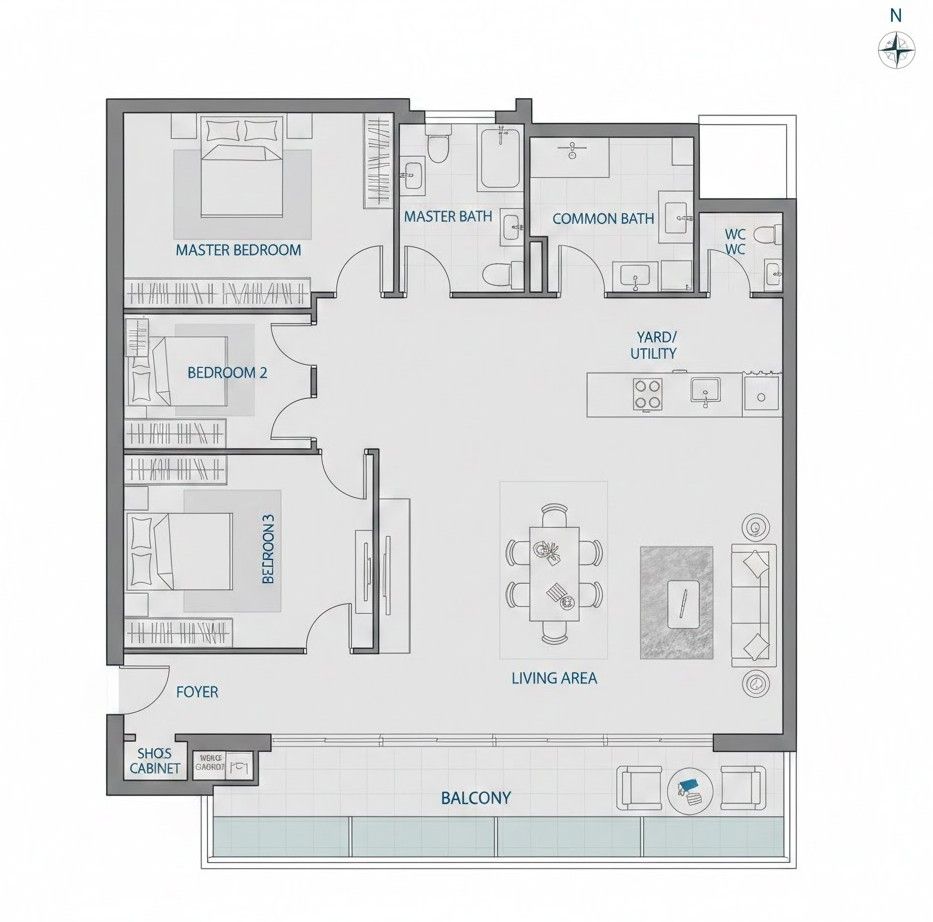
For property investors, layouts function like data points. A well-designed plan suggests strong usability, which often translates into higher occupancy and smoother resale. Poor layouts, even in good locations, can struggle when buyer preferences shift.
Tengah Garden Residences presents a wide mix of one- to four-bedroom units. This range matters. Smaller units typically attract singles, young couples, and investors focused on rental yield. Larger units appeal to families planning longer stays, which often stabilizes resale value during market cycles.
For investors mapping out their entry strategy, understanding layout performance fits naturally alongside steps on how to invest in real estate, especially when assessing risk, holding period, and exit timing. Floor plan efficiency often determines whether a unit remains competitive as newer projects enter the market.
Design Efficiency Reflects Market Awareness
Singapore’s residential design trends emphasize usable space over excess corridors or awkward corners. Buyers want flexible rooms, natural light, and layouts that adapt to remote work or multi-generational living.
Smart planning choices, such as open kitchens, balanced bedroom sizes, and efficient storage areas, increase daily livability. These features influence how long tenants stay and how quickly a unit moves when listed for resale. Investors who spot these efficiencies early often gain an edge in pricing strategy.
In Tengah’s case, the planning approach aligns with the town’s identity as Singapore’s first smart and sustainable forest town. Layouts that support energy efficiency and community living resonate with buyers who value long-term sustainability.
Matching Layouts With Tenant Demand
Different floor plans attract different tenant profiles. One-bedroom and compact two-bedroom units tend to serve young professionals working in the west or along major transport corridors. Three- and four-bedroom layouts appeal to families who prioritize space, schools, and green surroundings.
Understanding this segmentation helps investors decide where to deploy capital. Units with broader appeal often enjoy stronger liquidity. Niche layouts may offer higher yields but require more precise timing and pricing.
Careful review of Tengah Garden Residences floorplan options allows investors to align unit choice with their preferred strategy, whether that is steady rental income or medium-term capital appreciation.
Connectivity and Lifestyle Shape Value
Floor plans do not exist in isolation. Their success depends on how residents interact with the surrounding environment. Tengah’s planning integrates transport access, cycling paths, and retail clusters into daily life.
Units designed for practical movement, such as easy access to lifts and minimal wasted internal space, perform better when paired with nearby MRT stations and commercial hubs. As Tengah develops further, these factors can significantly influence rental demand and resale momentum.
Investors who consider layout alongside infrastructure development gain a clearer picture of future commercialization potential.
Timing Decisions Begin With Layout Analysis
Early-stage investors often face a choice between holding long term or exiting once the area matures. Floor plan analysis helps inform that decision. Units with timeless layouts tend to age better, reducing the risk of functional obsolescence.
For those considering a flip strategy, layouts that appeal to mass-market buyers usually move faster. For buy-and-hold investors, designs that support lifestyle changes help maintain occupancy over time.
Conclusion
Successful property investing relies on understanding how people live today and how they may live tomorrow. Studying the Tengah Garden Residences floorplan provides insights into space efficiency, demand alignment, and future readiness. For investors seeking clarity beyond marketing brochures, floor plan analysis remains one of the most reliable tools for smarter decisions.